What Is a Meme Coin and How to Trade It Without Losing Your Shirt
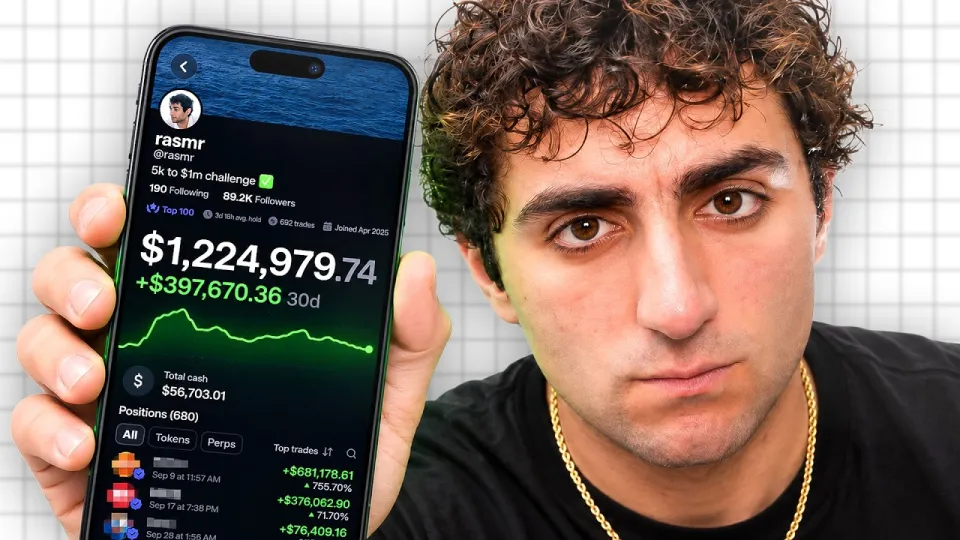
Video: 5 Years of Memecoin Knowledge in 12 Minutes
Need articles like this for your video? They help promote it on YouTube and Google — order them in the Telegram bot @sat_sit_bot. It writes articles around your video, embeds the video and publishes them on popular niche websites (no ads). Free trial — 50 articles.
· based on the channel rasmr
A meme coin is a cryptocurrency born from internet culture, jokes, or trends, with no underlying business or cash flow; its price is driven almost entirely by community sentiment, narrative, and speculation. Trading them profitably requires strict risk management, an understanding of market psychology, and the discipline to sell into hype rather than hold for a dream. If you want to trade meme coins with lower fees and a smooth interface, you can register on FOMO and start small.
What actually drives a meme coin's price
A meme coin's price is a function of attention and liquidity, not fundamentals. When a token launches, the initial supply is often concentrated among a small group—sometimes called the inner circle or cabal—who buy at the lowest prices before the public knows. As the token gets announced in private groups and then on social media, retail buyers pile in, pushing the price up. The chart usually shows a sharp spike followed by a slow bleed as early holders take profit. The key takeaway: the narrative (who launched it, why it's trending) matters more than any technical indicator. Coins tied to a strong meme or a popular figure can run for days, while copycats fade within hours. Your job is to gauge how much attention is left and where the early buyers are likely to sell.
How to spot a rug pull before it happens
A rug pull occurs when the developers or early insiders drain the liquidity pool, leaving holders with worthless tokens. To reduce the risk, check these three things before buying: 1) Is the liquidity locked? If not, the dev can pull it at any moment. 2) How concentrated are the holdings? If the top 10 wallets hold more than 30% of the supply, a single sell-off can crash the price. 3) Is the contract renounced? If the dev can mint new tokens or change taxes, they can dilute your stake. Also, look at the socials: a rushed website, copied whitepaper, and a Telegram full of bots are red flags. No check guarantees safety, but these filters help you avoid the most obvious traps.
Why emotions are the biggest threat to your portfolio
Emotional trading is the number one reason meme coin traders lose money. Two patterns repeat: 1) Holding a winning position too long, hoping for more, and watching the profit evaporate—sometimes called round-tripping. 2) Panic-selling a loss after the price dips, only to see it recover. The fix is to set clear rules before you enter: define your profit target (for example, sell half at 2x) and your stop-loss (for example, exit if the price drops 30% from your entry). Write them down and stick to them. As one experienced trader noted, the market doesn't care about your hopes; it rewards discipline. Treat every trade as a probability, not a certainty.
Common questions from new meme coin traders
New traders often ask about market caps, entry timing, and how to avoid mistakes. Here are the most frequent concerns, drawn from real community discussions. First, when do most people sell? Early buyers typically start taking profit around a $1–5 million market cap, so if you enter near that level, expect heavy selling pressure. Second, should you invest in every trending coin? No—most meme coins are short-lived; focus on one or two with strong narratives and active communities. Third, how much capital should you allocate? Only what you can afford to lose entirely, because the risk of a total loss is high. Finally, what about coins based on future events, like a GTA6 token? Such ideas can generate hype, but without a solid plan and community, they often fizzle. Always do your own research and never rely on insider whispers.
Risk management rules that keep you in the game
Risk management is what separates survivors from casualties in meme coin trading. Use these rules: 1) Position sizing: never put more than 5–10% of your portfolio into a single meme coin. 2) Take profits in stages: sell 25% at 2x, another 25% at 5x, and let the rest ride with a trailing stop. 3) Use stop-losses: set a hard exit if the price drops below a key support level. 4) Avoid leverage: meme coins are volatile enough without borrowed money. 5) Keep a trading journal: record why you entered and exited, and review it weekly. These steps won't eliminate losses, but they prevent a single bad trade from wiping you out.
Useful links
- FOMO trading platform — register and trade meme coins with low fees.
- Catalyst Trading Group on Discord — join the community for live discussions and trade ideas.
Final thoughts
The meme coin market is a high-risk, high-reward arena where knowledge and discipline matter more than luck. Understand the narrative, check for rug-pull red flags, and control your emotions—these principles will serve you well regardless of which token is trending. For a deeper dive into these concepts, watch the video "5 Years of Memecoin Knowledge in 12 Minutes" by the channel rasmr, where the host condenses half a decade of experience into actionable advice. Remember that most meme coins eventually go to zero, so only speculate with money you can afford to lose. Ready to start trading? Sign up on FOMO and apply these lessons with small capital first.
Key takeaways
- Meme coins are community-driven tokens with no intrinsic value; price depends on narrative and liquidity.
- Most meme coins peak early: traders often sell around $1–5 million market cap.
- Emotional trading is the top killer: chasing green candles and round-tripping profits leads to losses.
- Rug pulls happen when devs remove liquidity; check lock status and holder distribution.
- The inner circle often gets early access; retail must rely on risk management, not insider info.
Source: 5 Years of Memecoin Knowledge in 12 Minutes · Markdown version
Questions & answers
What is a meme coin and how does it differ from Bitcoin?
A meme coin is a cryptocurrency with no intrinsic value or utility, driven purely by community sentiment and speculation. Unlike Bitcoin, which has a fixed supply and is seen as a store of value, meme coins often have unlimited supply and extreme volatility, making them suitable only for high-risk trading.
How can I tell if a meme coin will rug pull?
Check if liquidity is locked, if the top 10 wallets hold a large percentage, and if the contract is renounced. Also look for red flags like a rushed website or bots in the community. No method is foolproof, but these checks reduce the risk.
When do most traders take profit on meme coins?
Early buyers often start selling around a $1–5 million market cap, so price often stalls there. It's wise to have a plan to take profits in stages before that level to avoid getting caught in a sell-off.
Why do most meme coin traders lose money?
Emotional decisions like chasing pumps, holding too long for greed, or panic-selling at a loss are the main causes. Without strict risk management and a predefined exit strategy, it's easy to round-trip profits or suffer large losses.